Honouring Indigenous Veterans Day
As we reflect on this important day, we asked Stephen Paquette, the Indigenous Knowledge Guide at OPL, to share his insights.
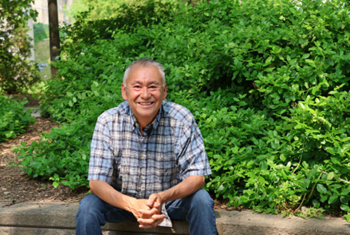
What is Indigenous Veterans Day, and why is it significant?
"Indigenous Veterans Day was first observed in 1994 to recognize the thousands of First Nations, Inuit, and Métis men and women who served in Canada’s armed forces, often without the recognition or benefits afforded to their non-Indigenous counterparts. This day is significant because it acknowledges not only their military service, but also the injustices they faced upon returning home. It’s a time to honour their bravery and to commit to reconciliation by ensuring their stories are heard and remembered."
How did Indigenous peoples contribute to Canada’s military efforts historically?
"Indigenous peoples have served in every major conflict involving Canada, from the War of 1812 to both World Wars, the Korean War, and modern peacekeeping missions. Many brought exceptional skills, like tracking, marksmanship, and survival that made them invaluable scouts and snipers. Figures like Francis Pegahmagabow, Tommy Prince, and Edith Monture exemplify the courage and excellence of Indigenous veterans.
Despite not being eligible for conscription and often having to travel great distances to enlist, over 12,000 Indigenous people volunteered to serve."
What unique challenges did Indigenous veterans face during and after service?
"Indigenous veterans often faced systemic discrimination both during and after their service. Many were denied the same benefits as non-Indigenous veterans, lost their Indian Status, or had their land expropriated. Some had to give up their rights to receive veteran benefits.
Post-service, many struggled with homelessness, unemployment, and lack of access to culturally safe supports. These injustices have led to decades of advocacy, culminating in apologies and compensation, but the work of reconciliation continues."
How can communities in Oakville meaningfully commemorate Indigenous Veterans Day?
"Commemoration can take many forms:
- Host or attend ceremonies that include Indigenous traditions like drumming, storytelling, and smudging.
- Share stories of Indigenous veterans from your community, especially through schools, libraries, and social media.
- Create visual tributes, such as banners or videos.
- Support Indigenous-led initiatives and invite veterans to speak about their experiences.
- Most importantly, listen and learn; reconciliation begins with understanding."
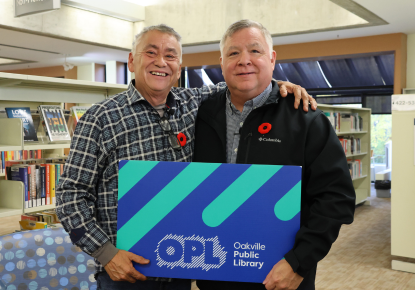
Looking Ahead: Honoring Stories Beyond, on November 8
Commemorating Indigenous Veterans Day on November 8 is more than remembering; it is about understanding the truths, honoring resilience, and directly supporting the Truth and Reconciliation Commission of Canada: Call to Action 79 under "Commemoration" by:
- Acknowledging overlooked contributions of First Nations, Inuit, and Métis veterans.
- Creating space for remembrance and healing through storytelling and public recognition.
- Encouraging community engagement in reconciliation through education and events.
We invite you to continue this journey with us.
In the coming days, we’ll share highlights from Stephen’s inspiring conversation with Bill Ridley, an Indigenous Veteran, '60s Scoop survivor, and storyteller whose life embodies strength and hope. Stay tuned!
To learn about the history of Indigenous Veterans’ military service, visit the Government of Canada's Indigenous Veterans page here.
Are you an Indigenous veteran, or do you know someone who is?
We’d love to connect and share resources available to you. Please email InformationOakville@oakville.ca to learn more.